What the Angus breed is and what it brings to the table
An Angus steak is a cut of beef from the Angus breed, a beef breed of Scottish origin. It is known for its marbling, which makes the meat tender and flavorful.
The breed originates from the counties of Aberdeen and Angus in northeastern Scotland. Breeders established the breed in the 19th century, hence its English name, Aberdeen-Angus.
What exactly is Angus beef? It’s a breed of cattle raised for its meat, recognizable by a few characteristics:
He is, of course, hornless;
Its coat is usually black, sometimes red;
Its meat has a distinct marbling pattern.
The name “Black Angus beef” refers to the black-coated variety, which is the most common. Today, it is raised in Scotland, Ireland, the United States, Argentina, and Australia.
All three of our set menus feature this cut of meat. Rump heart, rib steak and tenderloin: details and prices are listed on the restaurant menu.
The Angus breed has spread throughout the world thanks to its meat-producing qualities. It adapts well to grazing and produces meat that is consistent from one animal to the next.
Consistency is important for a restaurant. It ensures that each dish is of the same high quality, meal after meal.
Today, its name is associated worldwide with meat of consistent quality.
Marbling: What Makes Meat Melt-in-Your-Mouth Tender
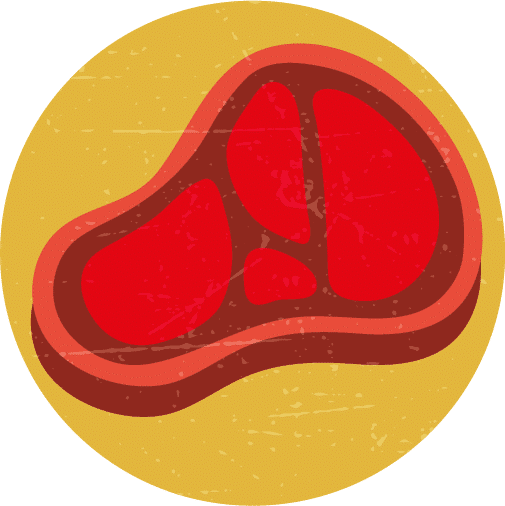
"Marbling" refers to the fine veins of fat embedded within the muscle. When cooked, this fat melts and infuses the meat, keeping it tender and juicy.
Meat is described as " parsley-marbled " when these marbling veins are numerous and evenly distributed. They resemble chopped parsley when the meat is cut, hence the term.
Marbling in meat should not be confused with the surface fat that surrounds the cut. The surface fat is either trimmed off or allowed to melt away. The marbling, on the other hand, remains in every bite.
In practical terms, well-marbled Angus beef holds up better when cooked medium than lean beef. It loses less juice and remains tender when sliced.
The three dishes on our menu are not all equally marbled:
The entrecôte has the most marbling;
The center of the rump steak is medium;
The net is very thin.
The marbling is visible to the naked eye on a raw cut of meat. The finer and more numerous the white veins, the more tender the meat will be after cooking.
This is also what gives marbled meat its more rounded flavor. The melted fat carries the aromas and prolongs the flavor on the palate.
Aging and Cutting: What Makes a Good Cut
A good cut of beef depends on three factors: the breed, aging, and cutting. The breed determines the potential; the other two bring it out.
Aging involves letting the meat rest in the refrigerator before cutting it. During this time, natural enzymes tenderize the meat and intensify its flavor.
The cut is just as important. A piece cut along the grain and at the right thickness cooks evenly. It stays juicy in the center and is nicely seared on the outside.
The Black Angus beef we serve is selected for these qualities. We offer it in three cuts, each with its own distinct texture.
We serve this meat at our two restaurants in Paris. We do not sell raw meat to individual customers.
After cooking, letting the meat rest for a few minutes allows the juices to redistribute throughout the meat. This keeps the meat juicy right down to the last bite.
You can't see these steps on the plate, but you can taste them from the very first bite.
Our recommended cooking methods for each cut
Each cut has its ideal level of doneness, depending on its fat content. As a general rule, the more marbled the cut, the more it can withstand being cooked well-done.
Angus rump heart is best enjoyed rare or medium-rare.
Entrecôte is best served medium-rare, so that the fat melts in your mouth.
The filet, a lean cut, is juiciest when cooked rare or medium-rare.
When cooked longer, the rump steak becomes tighter and firmer. When cooked rare, the rib steak retains a firmer fat texture on the palate. When cooked well-done, the tenderloin quickly loses its tenderness.
A common mistake is to order “medium” and expect the meat to be completely free of pink. In France, “medium” means the center is still pink. Ask for “well-done” if you want the meat cooked all the way through.
How you prefer your food cooked is a personal choice. These guidelines are just a starting point, and the dining room staff can offer recommendations based on your preferences.
For a first-time meal, cooking the meat to medium is a good compromise. It brings out the marbling without masking the meat's flavor.
Frequently Asked Questions About Angus Beef
Is Angus beef better than other types of beef?
Angus beef is known for its marbling, which makes it more tender than many other breeds. The final flavor also depends on how the beef is raised, aged, and cooked.
What is the difference between Black Angus and Angus?
They are the same breed. “Black Angus” refers to the black-coated variety, which is the most common, as opposed to the red-coated Red Angus.
Which cut of Angus beef is the most tender?
The filet is the most tender cut, since this muscle is used very little. The entrecôte has the most marbling, so it melts in your mouth.
Do you sell your raw meat at retail?
No, we do not sell raw meat at our retail locations. Our three locations - at République and Saint-Lazare - serve cooked meat.
Do you need to make a reservation to try an Angus steak?
Reservations can be made online, and we recommend making one on weekends. In the evening, starting at 7:15 p.m., both of our locations also welcome walk-ins.
With locations in République and Saint-Lazare - two iconic and lively neighborhoods in Paris - Black Angus welcomes you with a warm atmosphere and the same commitment to quality at every location.
Black Angus Republique
Located on the legendary Place de la République, in the heart of the 11th arrondissement, Black Angus has established itself as a go-to spot for lovers of exceptional meat.
Located in one of Paris’s liveliest and trendiest neighborhoods, between the Marais, Oberkampf, and the Canal Saint-Martin, the restaurant showcases the prestigious Angus breed, renowned for its unparalleled tenderness.
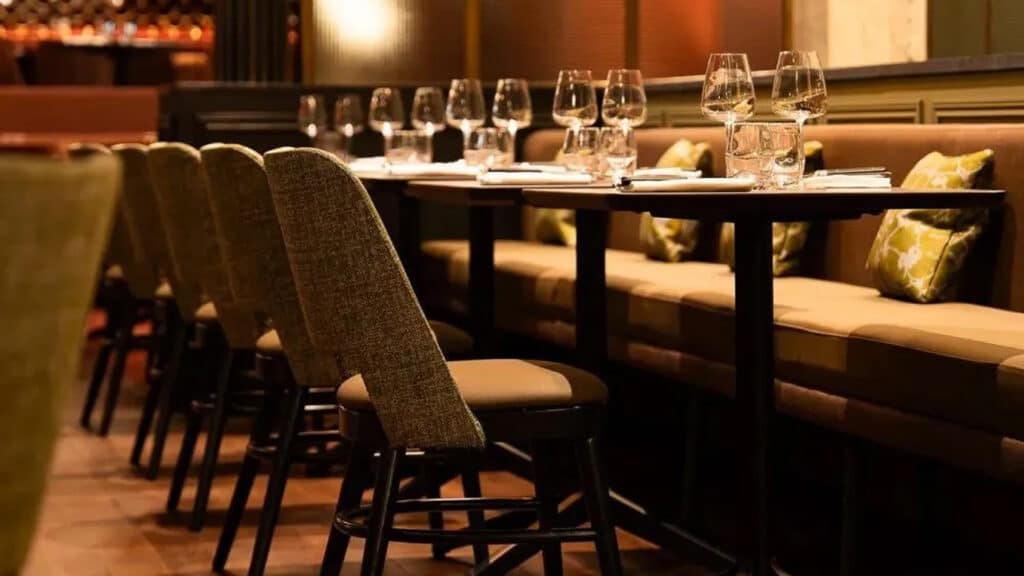
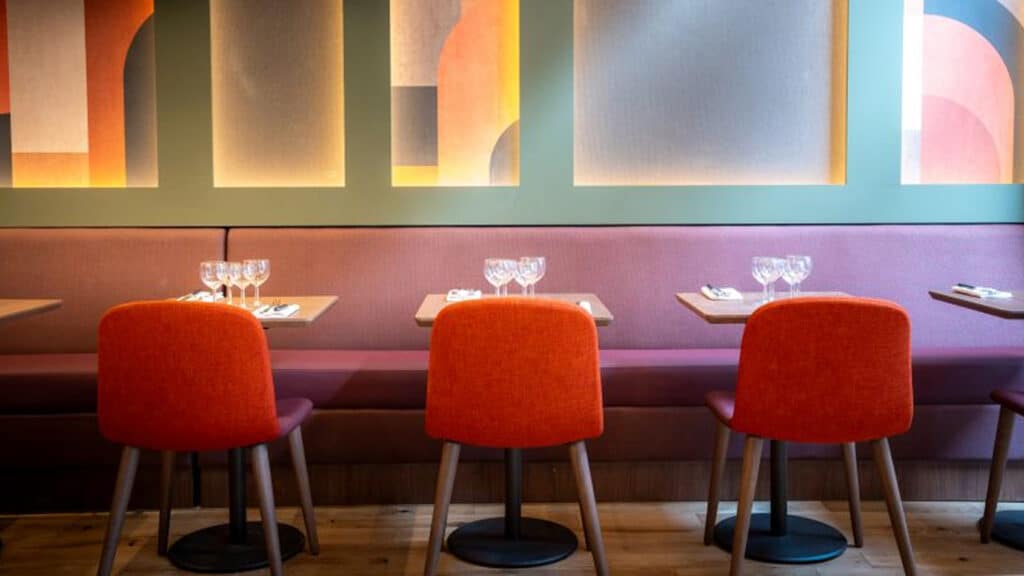
A refined dining experience in an elegant setting, reflecting the vibrant Parisian atmosphere that surrounds it.
8 Place de la République, 75011 Paris
Black Angus Saint-Lazare
Just a stone's throw from the Saint-Lazare train station, in the heart of the bustling Passage du Havre neighborhood, Black Angus welcomes you with an elegant and contemporary atmosphere.
This must-visit spot in the 9th arrondissement showcases high-quality beef, served with the gourmet sauces for which it is renowned.
The perfect spot for a lunch break, dinner with friends, or a get-together in one of Paris’s liveliest neighborhoods.